Mastering Versatile Design with Basic Digital Papers and Neutral Patterns
In the expansive world of digital design and paper crafting, the foundation of any successful project often lies in the background. While flashy graphics and bold typography frequently grab attention, it is the subtle, understated elements that provide structure, readability, and aesthetic cohesion. This is where Basic Digital Papers featuring a Neutral Pattern become indispensable assets for creators ranging from professional graphic designers to hobbyist scrapbookers. These resources offer a timeless solution for those seeking to create beautiful projects all year long without being constrained by seasonal trends or overly specific themes.
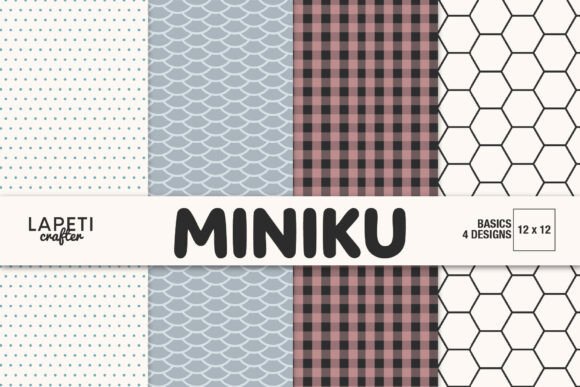
The versatility of neutral backgrounds cannot be overstated. Whether you are assembling a junk journal, designing a planner layout, or creating printable stationery for a small business, the right background sets the tone. A collection featuring four timeless patterns in coordinating colors provides the perfect canvas. Unlike vibrant, high-contrast designs that can overwhelm text or imagery, neutral patterns recede slightly, allowing the primary content to shine while still adding depth and texture to the composition.
The Strategic Value of Timeless Neutrality
One of the most significant advantages of utilizing a Neutral Pattern within your digital toolkit is its longevity. Design trends fluctuate rapidly; what is popular in one season may feel dated the next. However, basic digital papers rooted in neutrality defy this cycle. They are characterized by their ability to remain relevant regardless of the current design climate. This makes them an economically and creatively sound investment for educators, researchers, and business owners who need consistent branding or educational materials that do not require frequent updates.
Furthermore, these patterns serve as excellent coordinating backgrounds. When working on complex projects that involve multiple layers of information, having a set of four distinct yet harmonious patterns allows for visual differentiation without sacrificing unity. For instance, a researcher compiling a visual report might use one pattern for section dividers, another for data highlights, and a third for the main body background, ensuring the document feels cohesive rather than chaotic. The clean and versatile designs ensure that the focus remains on the message, not the medium.
Technical Specifications and Quality Standards
For professionals, the utility of a digital asset is heavily dependent on its technical quality. High-resolution files are non-negotiable for print-ready projects. The standard for professional printing typically requires 300 DPI (dots per inch) to ensure crisp lines and smooth gradients. A premium collection of Basic Digital Papers delivers exactly this, offering files at 12 x 12 inches with a resolution of 300 DPI. This specification ensures that whether the final output is a small greeting card or a large poster, the image quality remains sharp and free from pixelation.
Flexibility in file formats is another critical consideration. A robust collection should include JPG, PNG, and PDF files to accommodate various workflows:
- JPG files: Ideal for general use, compatible with almost all image editing software and web platforms.
- PNG files: Essential for projects requiring transparency or lossless compression, often used in digital layering.
- PDF files: Perfect for direct printing or vector-based manipulation in professional design suites.
Having access to these multiple formats streamlines the workflow for both digital and printable projects, removing the friction of file conversion and ensuring compatibility across different devices and software ecosystems.
Diverse Applications Across Industries
The application of neutral digital papers extends far beyond traditional scrapbooking. While they are indeed perfect for preserving memories in photo albums and junk journals, their utility spans numerous sectors. Educators, for example, can utilize these backgrounds to create engaging worksheets, classroom decorations, and presentation slides that are easy on the eyes. The neutral palette reduces visual fatigue for students, aiding in concentration and retention.
For business owners and entrepreneurs, particularly those in the DIY stationery market, these patterns offer a professional base for product creation. Creating planners, calendars, and organizational tools requires a background that does not compete with the user's handwriting or printed text. A subtle geometric or organic neutral pattern provides just enough texture to make the product feel premium without rendering the functional areas unusable.
Moreover, in the realm of digital marketing and content creation, these assets are invaluable for social media graphics and blog headers. A consistent background theme helps in establishing brand identity. By rotating through the four available patterns, a content creator can maintain visual interest across a month's worth of posts while adhering to a strict brand color palette.
Enhancing Creativity Through Constraint
It may seem counterintuitive, but limiting one's palette to neutral tones can actually enhance creativity. When faced with an infinite array of clashing colors and busy textures, decision paralysis can set in. A curated set of Basic Digital Papers simplifies the design process. The constraint of a neutral palette forces the creator to focus on composition, hierarchy, and typography.
This approach is particularly beneficial for beginners who are still developing their design eye. By starting with a solid, professionally designed foundation, they can experiment with foreground elements—such as stickers, text overlays, and photos—without worrying about the background undermining their efforts. As skills develop, these users often find that they return to neutral bases for their most sophisticated work, appreciating the elegance of simplicity.
Implementation in Digital and Physical Workflows
Integrating these digital papers into a workflow is seamless, whether the end goal is a physical object or a digital file. For physical crafting, such as card making and paper crafting, the high-resolution JPG or PDF files can be printed on high-quality cardstock or textured paper. The 12 x 12-inch dimension is the industry standard for scrapbooking, meaning these files fit perfectly into pre-cut albums and protective sleeves without the need for trimming or resizing.
In a purely digital environment, such as tablet journaling or e-book creation, the PNG files offer superior flexibility. Users can import these layers into applications like Procreate, GoodNotes, or Adobe Photoshop. The neutral patterns act as the bottom layer, upon which digital ink, stamps, and photos are added. Because the patterns are designed to be "easy to combine with many themes," they integrate effortlessly with existing digital sticker collections and font libraries.
Consider the workflow of a wedding planner creating a custom proposal deck. They might select a soft, textured neutral pattern as the master slide background. This choice conveys sophistication and allows the photography of the venue and the details of the package to stand out. The consistency provided by using the same pattern family throughout the deck creates a polished, high-end look that instills confidence in potential clients.
Sustainability and Resource Efficiency
From an environmental and economic perspective, digital papers offer significant benefits over purchasing physical sheets. A single download of Basic Digital Papers provides unlimited printing capabilities. If a mistake is made during a crafting session, the user can simply reprint the sheet rather than discarding a unique, physical piece of paper. This reduces waste and lowers the cost per project.
Additionally, the storage footprint is negligible. Unlike physical paper stacks that require climate-controlled environments to prevent warping or fading, digital files occupy mere kilobytes on a hard drive or cloud storage. This accessibility means that creators can access their design library from anywhere, facilitating remote work and collaboration.
Selecting the Right Pattern for Your Project
With four timeless patterns included in a typical collection, understanding how to deploy each one is key to maximizing their potential. While specific designs vary, neutral collections usually include a mix of textures—perhaps a subtle linen weave, a faint geometric grid, a soft watercolor wash, and a minimal dot pattern.
- Texture-heavy patterns: Best used for backgrounds where the foreground elements are bold and solid. The texture adds depth without competing.
- Geometric grids: Ideal for planner layouts and technical diagrams where alignment and structure are paramount.
- Soft washes: Perfect for emotional or artistic projects like memory keeping and poetry journals, providing a gentle, dreamlike atmosphere.
- Minimal dots or lines: Excellent for corporate documents or educational materials where a hint of style is needed without distracting from dense text.
By understanding the inherent characteristics of each pattern, creators can make informed decisions that elevate the final output. The goal is always harmony; the background should support the narrative, not distract from it.
Conclusion on Versatility
The enduring appeal of Basic Digital Papers with a Neutral Pattern lies in their adaptability. They bridge the gap between functional necessity and aesthetic desire. For the professional designer, they are a reliable tool for rapid prototyping and client presentations. For the educator, they are a means to create engaging, readable materials. For the hobbyist, they are the gateway to producing polished, gallery-worthy crafts.
Ultimately, the value of these assets is measured by the freedom they grant the user. By providing a high-quality, versatile foundation, they allow creators to focus on what truly matters: the story they are telling, the information they are sharing, and the beauty they are creating. In a digital landscape cluttered with noise, the quiet elegance of a well-designed neutral pattern remains a powerful tool for communication and expression.