Elevate Your Designs with Soft Watercolor Puzzle Pieces Digital Paper
There is a unique charm in combining the structured geometry of puzzle pieces with the fluid, organic nature of watercolor painting. When you integrate Watercolor Puzzle Pieces Digital Paper into your creative workflow, you are not just adding a background; you are introducing a narrative of connection, softness, and inclusivity. This specific style of digital asset has gained traction among designers, educators, and small business owners who need visuals that feel handmade yet remain versatile enough for modern commercial applications. However, navigating the world of digital papers can be tricky. Many creators rush into downloading assets without considering resolution, licensing, or color fidelity, only to find their final products look pixelated or unprofessional. Let's explore how to make the most of these beautiful resources while avoiding common pitfalls that can undermine your hard work.
Understanding the Value of High-Resolution Seamless Patterns
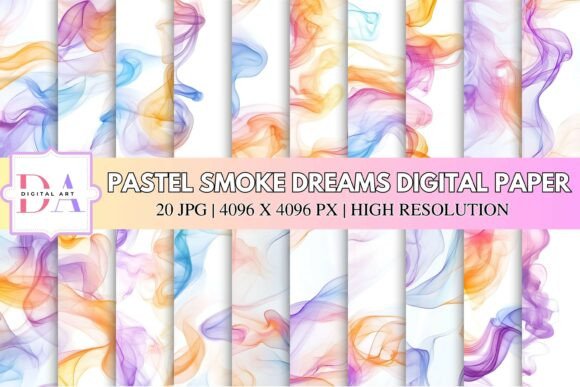
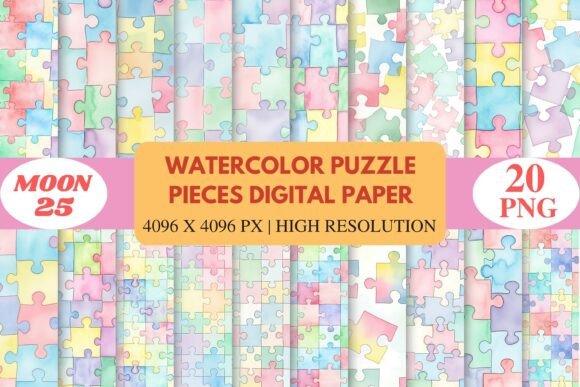
At first glance, a pattern might seem like a simple repeating image, but the quality of the source file dictates the quality of your output. The Watercolor Puzzle Pieces Digital Paper collection typically features hand-painted textures in calming shades of pink, blue, yellow, lavender, mint, and soft rainbow tones. These pastel hues are specifically chosen to evoke a dreamy, modern aesthetic suitable for autism awareness crafts, nursery decor, and gentle branding. A frequent mistake beginners make is assuming all "digital paper" is created equal. Some free or low-cost options offer resolutions as low as 72 DPI, which is fine for screen viewing but disastrous for printing.
If you intend to use these designs for sublimation on mugs, printing large posters, or creating physical planners, you must verify the resolution before purchasing or downloading. Professional-grade bundles, like the one featuring 4096 x 4096 PX PNG files, ensure that your prints remain crisp even when scaled up. Using a low-resolution file for a physical product often results in blurry edges and visible pixelation, which can damage your reputation as a seller or creator. Always check the file specifications. If the description does not explicitly state "High Resolution" or provide pixel dimensions, proceed with caution. Investing in high-quality assets from the start saves you the frustration of redoing projects later.
Avoiding Color Mismatches in Print and Digital Media
One of the most overlooked aspects of working with pastel watercolor designs is color management. The soft, airy look of watercolor relies heavily on subtle gradients and transparency. A common error occurs when designers view these files on uncalibrated monitors and assume the colors will print exactly as they appear on screen. In reality, RGB (screen) and CMYK (print) color spaces differ significantly. The vibrant mint or delicate lavender you see on your laptop may turn out muddy or dull on paper if not managed correctly.
To avoid this disappointment, it is essential to understand your workflow. If you are creating items for Print on Demand (POD) platforms, familiarize yourself with their specific color profiles. For home printing or professional offset printing, consider converting your files to CMYK and running a test print on the actual material you plan to use. Additionally, be mindful of how these patterns interact with other elements. Because the watercolor texture is semi-transparent and soft, placing dark, heavy text directly over busy sections of the puzzle pattern can reduce readability. A better approach is to use solid color overlays or text boxes with slight opacity to create contrast while still allowing the artistic background to shine through.
Maximizing Versatility Across Different Projects
The beauty of a seamless pattern lies in its adaptability, yet many users limit themselves by sticking to a single application. You might download a Watercolor Puzzle Pieces Digital Paper bundle intending only to make scrapbook pages, missing out on its potential for stickers, journal covers, or website backgrounds. Conversely, some users try to force a pattern into a project where it doesn't fit, such as using a busy puzzle background for a minimalist logo, which can clutter the design.
To get the best return on your investment, think broadly about how these assets can serve multiple purposes. For instance, teachers can use these papers to create calming classroom materials or reward charts that promote inclusivity. Small business owners can utilize them for packaging liners, social media post templates, or email headers. The key is to match the mood of the pattern to the message of your project. The playful yet soothing nature of puzzle pieces makes them ideal for topics related to neurodiversity, childhood development, and community building. However, ensure that the context is appropriate; while perfect for a baby shower invitation, this specific motif might need careful styling to fit a corporate annual report.
Practical Tips for Selection and Usage
Before you finalize your purchase or begin your design process, take a moment to evaluate your needs against what the product offers. Here are several critical factors to consider to ensure satisfaction:
- Check File Formats: Ensure the bundle includes PNG files with transparent backgrounds if you plan to layer the puzzle pieces over other colors. Solid JPGs limit your flexibility.
- Verify Seamlessness: True seamless patterns tile perfectly without visible lines. Test the pattern in your design software by duplicating it side-by-side to confirm there are no hard edges.
- Review Licensing Terms: Not all digital papers allow for commercial use. If you plan to sell products featuring these designs, such as sublimation tumblers or printed planners, confirm that the license permits commercial application.
- Assess Color Variety: A good bundle should offer a range of tones. Look for collections that include both warm and cool pastels to give you options for different seasonal projects.
- Consider Organization: High-quality downloads often come with well-named files and preview sheets. This saves time when you are searching for the perfect shade of blue or yellow during a tight deadline.
Enhancing Efficiency in Your Creative Workflow
Time is a valuable resource for freelancers and entrepreneurs. One inefficient habit is manually creating patterns from scratch when high-quality pre-made options exist. While designing your own watercolor textures is a valid artistic pursuit, it is time-consuming. Leveraging a ready-to-use Watercolor Puzzle Pieces Digital Paper bundle allows you to focus on layout, typography, and marketing rather than spending hours painting individual tiles.
However, efficiency should not come at the cost of originality. To keep your designs fresh, try combining different papers from the bundle. Layer a mint puzzle pattern with a soft yellow overlay, or mask the pattern into specific shapes like hearts or stars. This technique adds a unique touch to your work, ensuring that even though you are using stock assets, the final result feels custom-made. Remember, the goal is to use these tools to enhance your creativity, not replace it entirely.
By paying attention to resolution, managing color expectations, and exploring diverse applications, you can transform these digital assets into powerful components of your brand or personal projects. Whether you are crafting awareness ribbons, designing a nursery, or launching a new line of stationery, the right digital paper provides the foundation for success. Choose wisely, test thoroughly, and let the soft, interconnected beauty of watercolor puzzles bring your ideas to life.