Abstract Blob Seamless Pattern Design: A Versatile Asset
In the current landscape of visual communication, there is a distinct shift away from rigid grids and perfect geometry toward something more organic and fluid. This is where Abstract Blob Seamless Pattern Design enters the conversation. It isn't just a trend; it represents a move toward designs that feel alive, adaptable, and surprisingly human. When you look at these patterns, you aren't seeing cold, calculated lines. Instead, you are encountering shapes that mimic natural forms—cells under a microscope, stones in a riverbed, or ink dispersing in water. The personality of this style is eccentric yet approachable, making it a powerful tool for anyone looking to break the monotony of standard corporate aesthetics.
The visual characteristics of an abstract blob pattern are defined by their lack of sharp corners and their emphasis on curvature. These shapes possess a softness that invites the eye to wander rather than snap to attention immediately. This creates a unique psychological effect on the viewer. Unlike aggressive geometric patterns that demand focus, blob patterns provide a textured background that supports content without overpowering it. The seamless nature of the design means it can be tiled infinitely without visible breaks, which is crucial for maintaining professional consistency across large surfaces like fabric rolls or expansive website backgrounds.
Expanding Applications Beyond Digital Screens
While many designers initially think of digital assets when discussing modern typography and graphics, the utility of a high-quality Abstract Blob Seamless Pattern Design extends far beyond the screen. Its versatility makes it an ideal candidate for physical products where texture and tactile appeal matter. Consider the world of packaging design. A coffee mug or a tumbler wrapped in a unique, colorful blob pattern instantly transforms a generic commodity into a lifestyle statement. The organic shapes wrap around cylindrical objects naturally, avoiding the distortion that often plagues rigid geometric prints on curved surfaces.
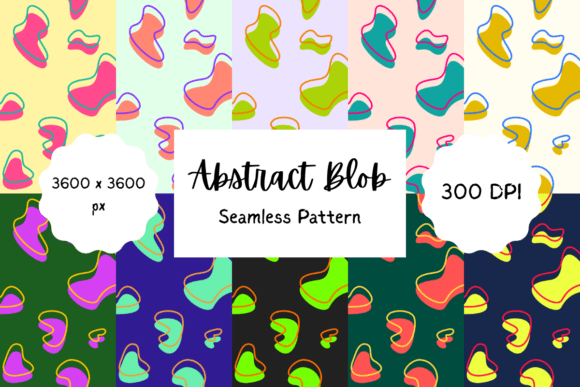
For entrepreneurs and small business owners, this type of asset is invaluable for creating cohesive brand experiences. Imagine a tote bag used for shopping or a book cover for a self-published novel. Using a pattern with ten different color variations allows a brand to maintain a consistent visual language while adapting to seasonal changes or specific product lines. You might use a muted, earth-tone palette for a fall collection and switch to vibrant, neon-infused blobs for a summer streetwear launch. This flexibility ensures that your brand identity remains recognizable yet fresh.
In the realm of editorial design and publishing, these patterns serve as excellent endpapers or section dividers. They add a layer of sophistication and artistic flair that standard solid colors cannot achieve. For bloggers and content creators, incorporating these designs into social media graphics can significantly boost engagement. The "cool factor" mentioned by many creatives stems from the pattern's ability to look intentional and curated rather than random. It signals to the audience that the creator pays attention to detail and embraces contemporary artistic movements.
Strategic Integration into Brand Identity
Integrating an Abstract Blob Seamless Pattern Design into your workflow requires more than just slapping it onto a canvas; it demands a strategic understanding of visual hierarchy. When used correctly, these patterns enhance readability by providing subtle contrast. For instance, placing white text over a dark, transparent PNG version of the pattern can create depth without sacrificing legibility. This is particularly effective in web design, where flat backgrounds can sometimes feel sterile. The pattern adds a layer of complexity that keeps the user engaged as they scroll.
From a branding perspective, consistency is key. If you choose to adopt this aesthetic, it should permeate various touchpoints. If your logo design utilizes clean, sans serif fonts, pairing it with an organic blob pattern creates a compelling tension between structure and fluidity. This juxtaposition often results in a more memorable brand image. However, if your existing brand relies heavily on script fonts or handwritten elements, the blob pattern can complement those styles by echoing their natural, free-flowing curves. The goal is to ensure that the pattern supports the narrative of the brand rather than distracting from it.
Professionalism in design often comes down to the quality of the assets used. A low-resolution pattern can pixelate when printed on large formats like wrapping paper or fabric, ruining the perceived value of the product. This is why accessing files in SVG format is critical. Vector-based SVGs ensure that the edges of every blob remain crisp, regardless of whether the output is a tiny phone case or a massive billboard. Additionally, having access to 300 DPI PNG files with transparent backgrounds provides immediate usability for raster-based workflows, saving hours of manual editing time.
Practical Guidelines for Selection and Usage
When evaluating whether an Abstract Blob Seamless Pattern Design is right for your project, consider the emotional response you want to evoke. Are you aiming for playfulness, sophistication, or perhaps a bit of eccentricity? The color palette plays a massive role here. A set offering ten different colors gives you the latitude to test these emotions. Try overlaying the pattern on your current mockups. Does it clash with your primary brand colors, or does it provide a harmonious backdrop?
Testing font pairings is another essential step. While the pattern itself is not a font, it interacts heavily with the typography you choose to place over it. Modern typography trends favor bold, chunky sans serif fonts against busy backgrounds to ensure clarity. Alternatively, a delicate serif font can float elegantly over a softer, more subdued blob pattern, creating a high-end editorial look. Avoid pairing these patterns with overly complex decorative fonts, as the competition for visual attention can lead to a cluttered and confusing composition.
Commercial licensing is also a vital consideration for businesses. Ensure that the design assets you acquire allow for commercial use, especially if you intend to print them on goods for sale, such as apparel or home decor. High-quality assets usually come with clear licensing terms that protect both the creator and the buyer. Investing in a premium package that includes multiple file formats and colorways is often more cost-effective in the long run than trying to modify a single low-quality image to fit diverse needs.
Ultimately, the decision to use an abstract blob pattern should be driven by the desire to stand out in a saturated market. In a sea of minimalist, flat designs, introducing organic, fluid shapes can capture attention and retain interest. Whether you are designing a gift for a friend, launching a new streetwear line, or refreshing your digital presence, this style offers a unique avenue for expression. It proves that abstract doesn't mean weird; it means versatile, modern, and undeniably cool. By leveraging these design elements thoughtfully, you can elevate your projects from ordinary to extraordinary, ensuring that your work resonates with audiences who appreciate creativity and distinctiveness.